From Climate Community to Climate-Building: What Oregon Needs Now
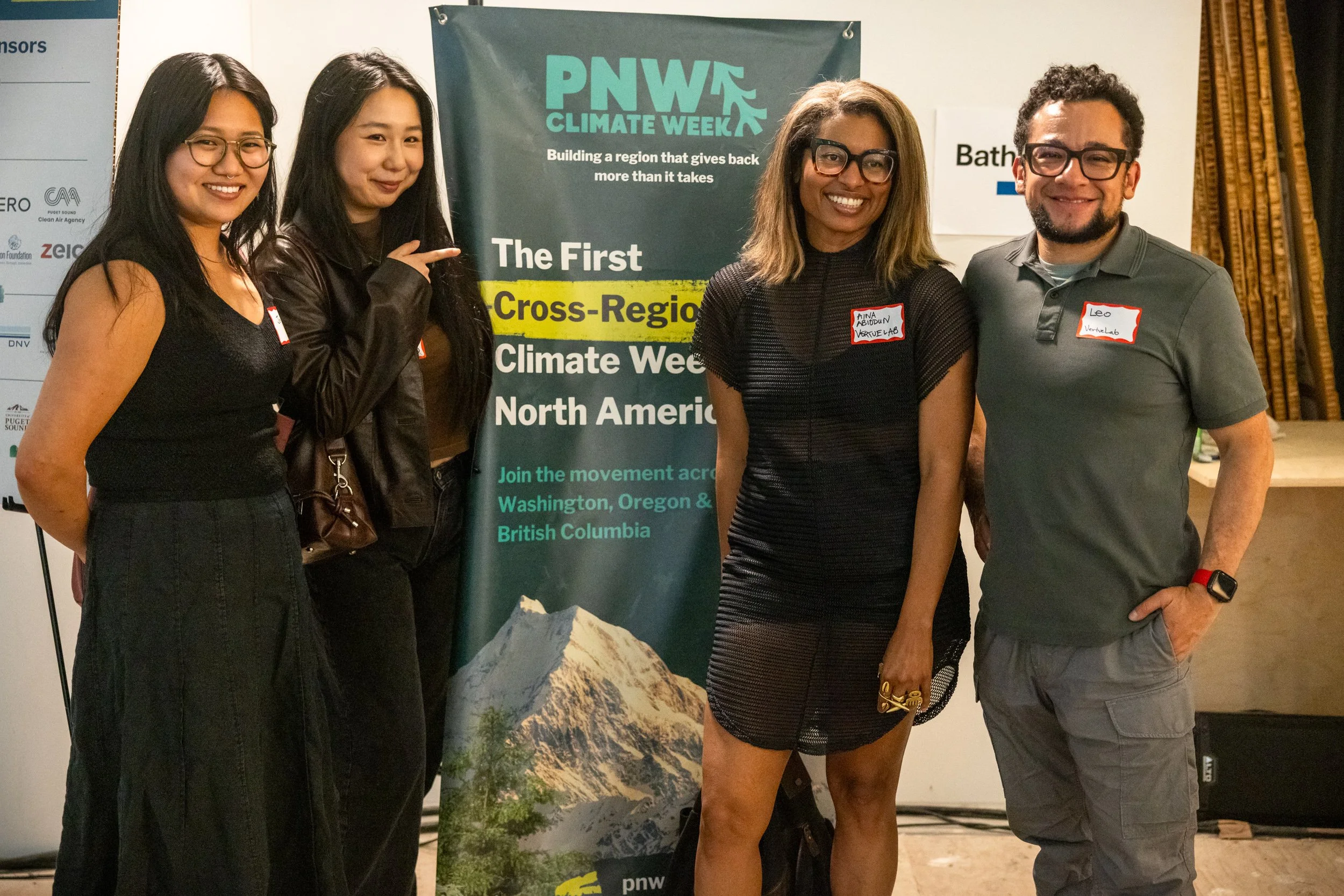
VertueLab team at the Climate Innovation at Work event
Reflections from Pacific Northwest Climate Week 2026 in Portland, OR
Written by Leo Ochoa, Managing Director
After a full week of Pacific Northwest Climate Week events, I was left encouraged by Oregon’s climate potential–and more convinced than ever that we cannot afford to let that potential remain fragmented.
Across conversations about regional resilience, battery technology, the circular economy, zero-emission transportation, economic development, and community partnership, one message became clear:
Oregon does not lack ideas, talent, or promising climate projects. What we urgently lack is the connective infrastructure to move them forward together.
That is why VertueLab’s presence in Oregon matters now more than ever.
VertueLab supports climate-tech entrepreneurs through funding, mentorship, partnerships, and commercialization support. But founders cannot succeed in isolation, and promising projects cannot advance in silos. They need manufacturers, investors, pilot sites, public agencies, technical experts, customers, workforce partners, and communities working in coordination.
The next stage of Oregon’s climate economy will not be built through isolated programs or occasional events. It will be built by organizations capable of connecting people, capital, projects, and institutions around shared priorities.
What PNW Climate Week Revealed:
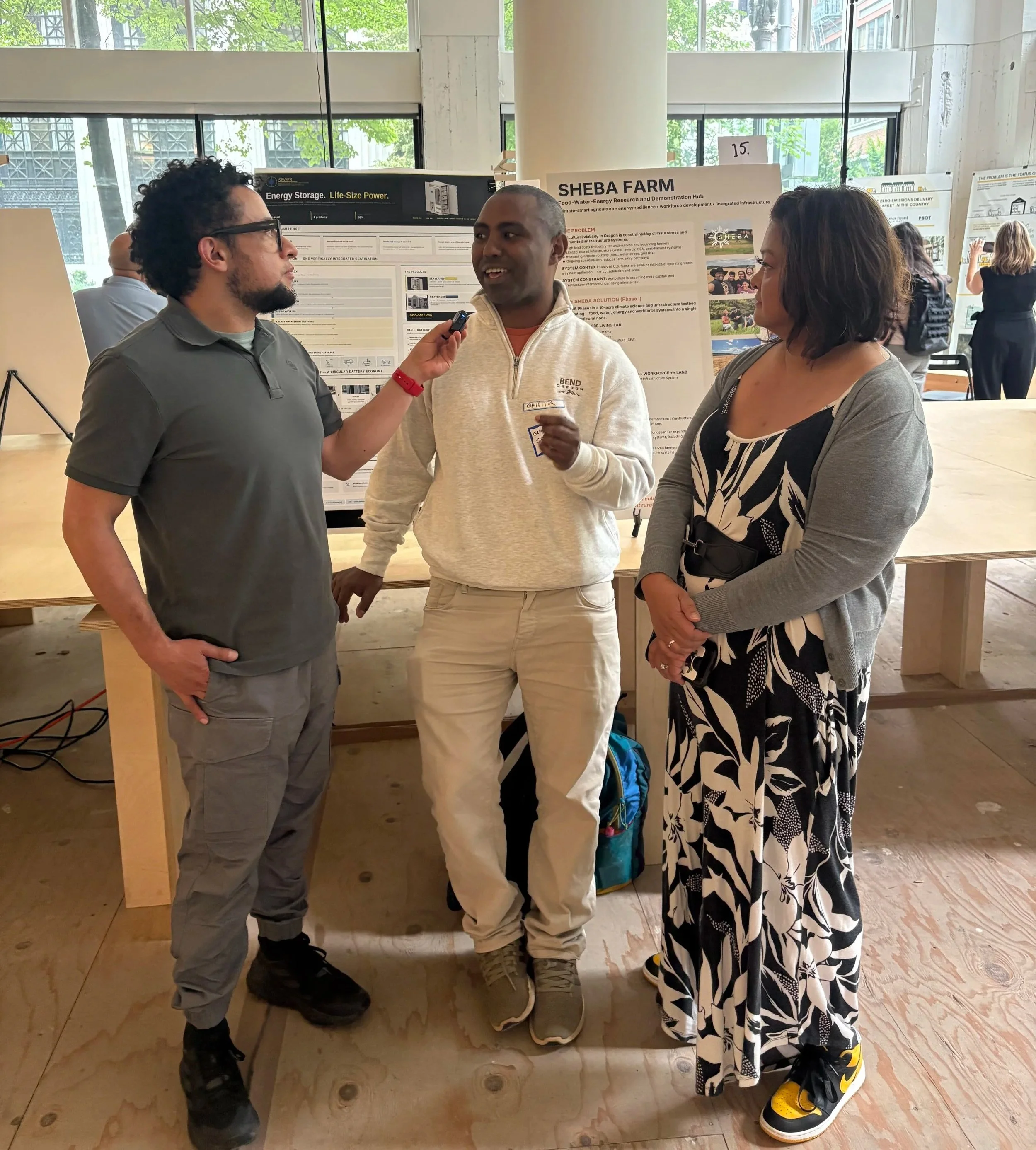
Managing Director Leo Ochoa interviewing entrepreneurs Geb Mengistu and Itanna Murphy
The events I attended demonstrated the range and maturity of Oregon’s climate economy.
At Metro Climate Lab, regional leaders on a panel examined long-term resilience across transportation, land use, watersheds, waste, air quality, and extreme heat.
Portland State of Charge highlighted Oregon battery companies advancing critical technologies despite a difficult capital environment. It was especially meaningful to see VertueLab entrepreneur Geb Mengistu share his experience building a battery business in this market.
The Climate Curious and ORCAH Partner + Social events reinforced the importance of relationships and the growing network of organizations working across Oregon’s climate sector.
At Climate Innovation at Work, which VertueLab helped plan and co-host, the focus shifted from broad ambition to tangible projects with real momentum and specific needs. Early-stage initiatives were also invited to present and gather feedback, including VertueLab-supported work connected to SHEBA Farms + SPWES, Oregon AgTech, NextCycle Oregon, and the PDX Urban Mobility Innovation Collaborative.
Three Takeaways from Climate Innovation at Work:
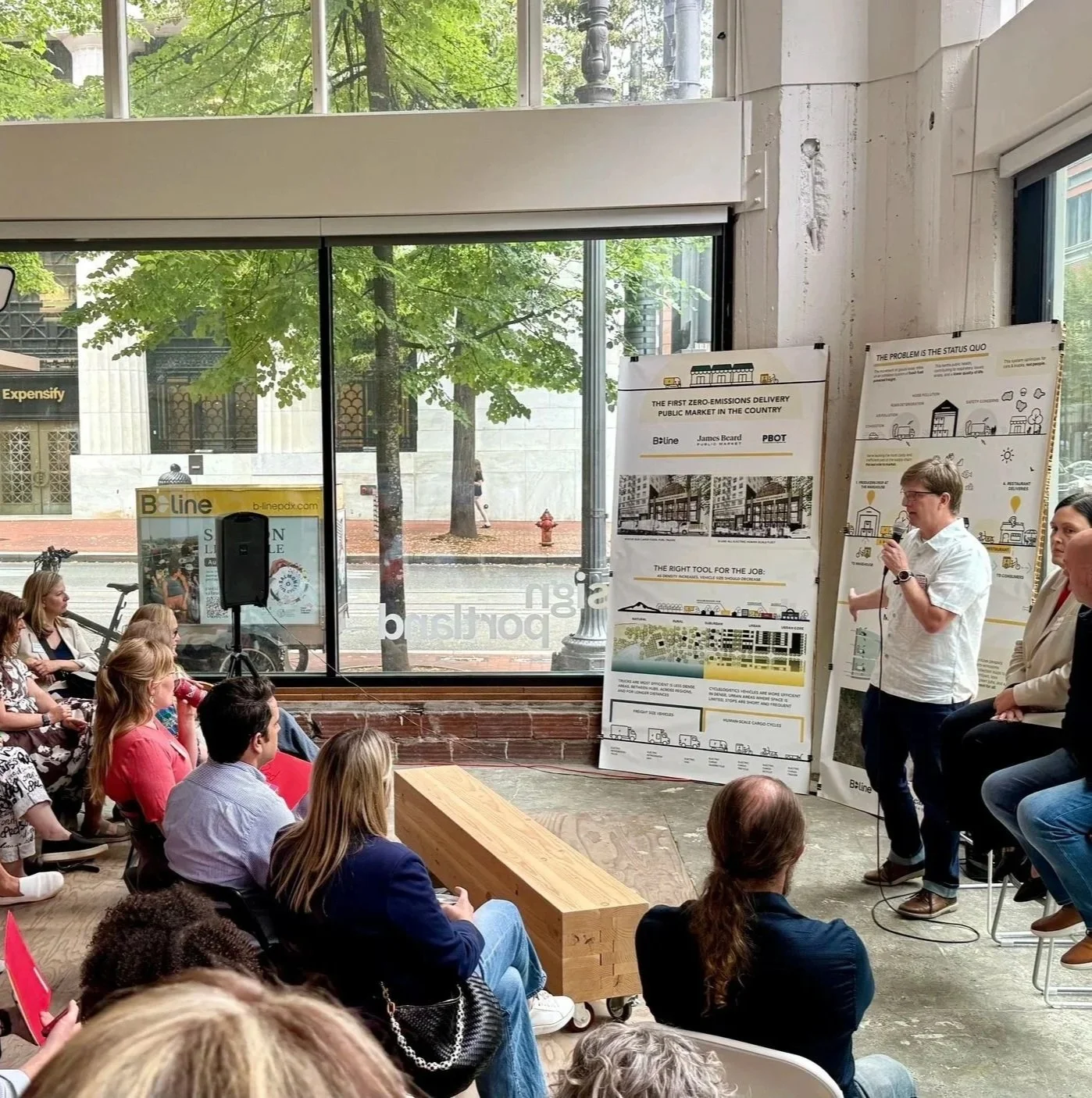
Franklin Jones from BLine presenting on the James Beard Public Market Zero Emission Logistics Initiative
1. Oregon must build from its existing strengths
The featured projects were grounded in assets Oregon already possesses: forestry and mass timber, advanced materials, manufacturing, urban logistics, research institutions, and deep environmental expertise.
Oregon’s strongest opportunities will come from building industries around the capabilities, resources, and values already present here–not by trying to replicate another region’s ecosystem.
2. Specific needs create action
Climate Innovation at Work centered real projects and real requests for support.
When a project can clearly identify the capital, expertise, partners, customers, policy changes, site, or pilots it needs, the ecosystem can respond.
Without that specificity, even strong community support remains passive and idle.
Our job as ecosystem builders is to help turn broad ambition into clearly defined opportunities for action.
3. Climate innovation is economic development
These projects are not only about reducing emissions. They are about housing, manufacturing, entrepreneurship, workforce development, resilient supply chains, and job creation.
Climate innovation should not be treated as a separate environmental agenda. It is a core economic-development strategy for Oregon.
VertueLab’s Final Reflection:
Together, these events revealed an ecosystem rich in talent and activity–but still missing consistent pathways from conversation to implementation.
That gap is becoming increasingly urgent.
Strong ideas are not enough. Promising companies are not enough. Well-attended events are not enough.
Oregon needs mechanisms that help projects secure partners, validate markets, access capital, launch pilots, commercialize technologies, and create jobs.
Ecosystems do not emerge simply because talented people occupy the same region.
They are built through trust, shared work, sustained coordination, and a willingness to take responsibility for what happens next.
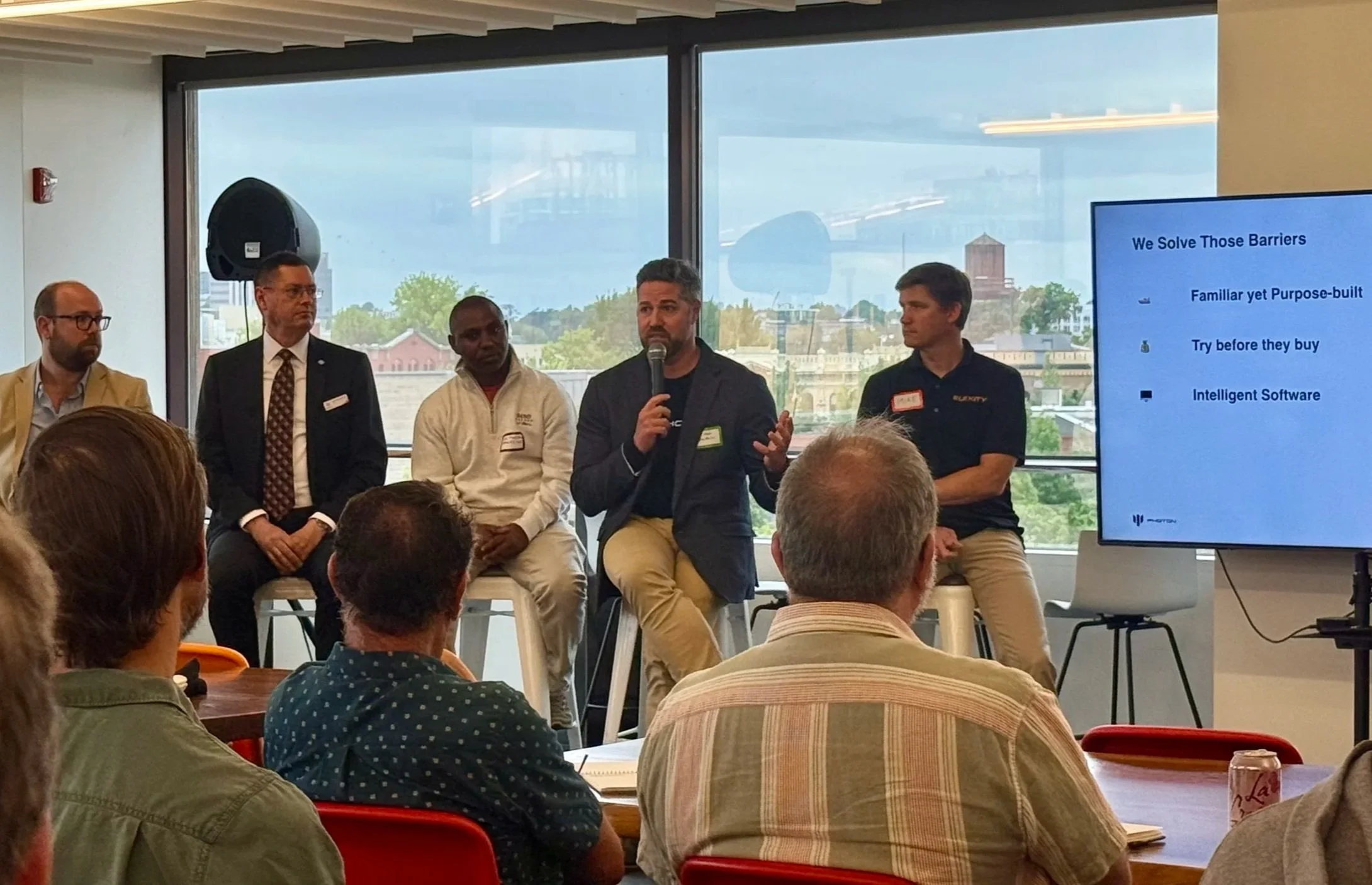
Photon Marine team presenting at The State of Change battery event
PNW Climate Week reminded me how much energy already exists across Oregon.
Our task now is to organize that energy, focus it, and turn it into action.
Here at VertueLab, we are committed to advancing the ecosystem forward by working alongside entrepreneurs, partners, and key collaborators. Together, we’re forging collaborative pathways that turn potential into lasting impact.
If you are ready to help build the next chapter of Oregon’s climate economy, reach out to VertueLab. We are ready to begin.